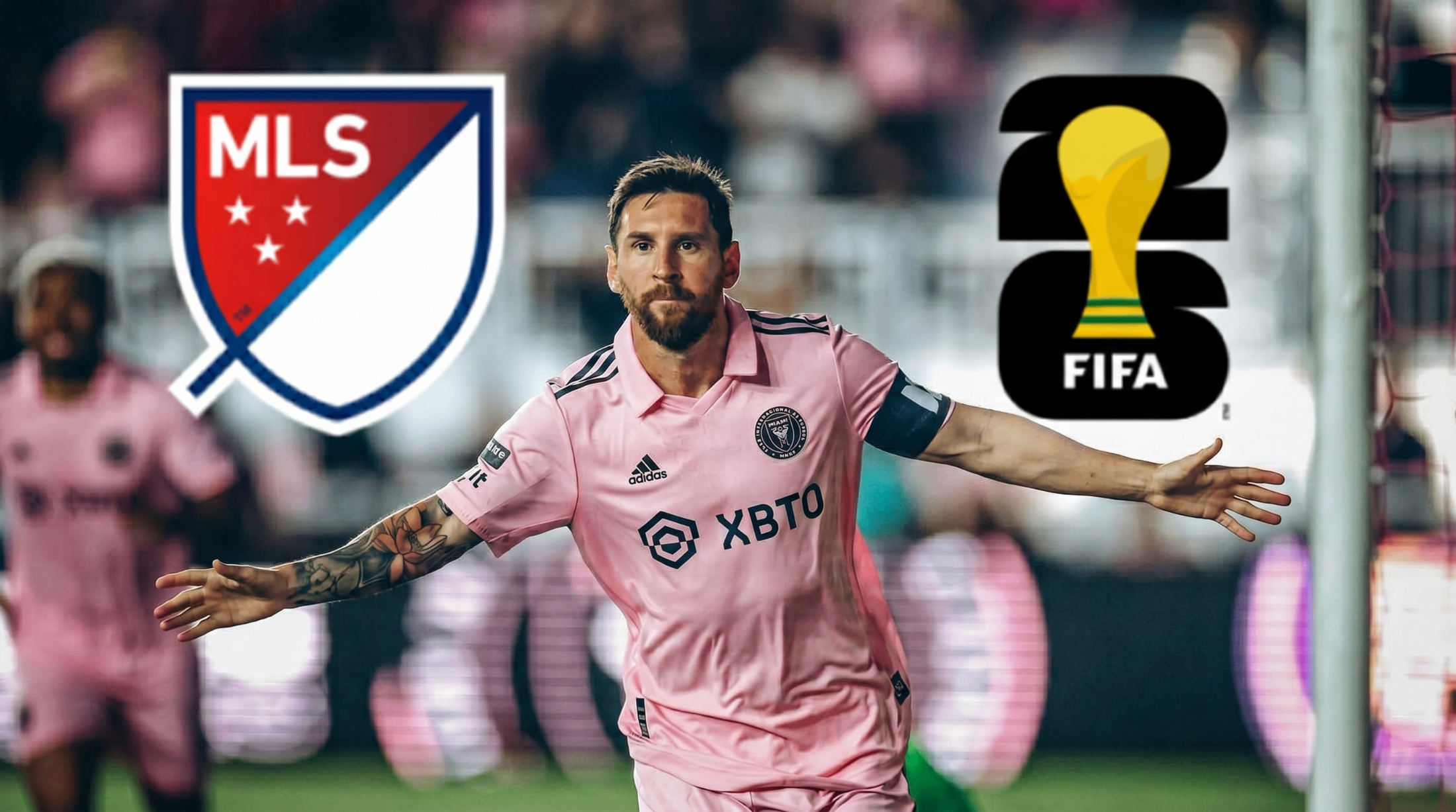
MLS exists because of the 1994 tournament, not alongside it. When the U.S. bid to host, FIFA attached a condition: the country had to have a real top-division professional league. It didn't. The old North American Soccer League had collapsed in 1985, and there was nothing serious to replace it. So U.S. Soccer made a promise — give us the World Cup and we'll build the league.
They got the tournament first. The league came after. MLS missed its original target and kicked off in 1996 with 10 teams, two years late, but it kicked off. From the start it was a byproduct of a World Cup the country hosted before it had anywhere for its own pros to play.
MLS is now in its 31st season with 30 clubs. Ownership has put more than $11 billion into soccer-specific stadiums, training facilities, and youth academies — the kind of infrastructure the U.S. simply didn't have in 1994. The league started with 10 teams in borrowed football stadiums. It now runs purpose-built grounds across the country and a development pipeline feeding national teams.
You can see the change by comparing the two host maps. In 1994, the matches were played in NFL stadiums because that's all there was. Eight of the nine 1994 host cities now have an MLS team of their own. The league grew into the same places the World Cup once visited as a one-off.
The clearest sign of how far this has come is the 2026 setup. Every World Cup host city in the U.S. and Canada is an MLS city. Five MLS stadiums are hosting matches. Fourteen MLS-area clubs are hosting national teams at their training base camps. The tournament is essentially being run through the infrastructure the league built.
And the league is in the tournament itself. A record 44 active MLS players are going to the World Cup, up from 36 in 2022. The host map and the league map are now the same map.
0 Comments
Be the first to comment.